Window blind trends in 2026 are evolving to match how homeowners live today, focusing on comfort, efficiency, and clean design. Many homeowners exploring best window coverings for your home are no longer choosing blinds just for privacy, but for how they impact light control, energy use, and overall home value. This shift has made blinds a central part of modern interior planning rather than just a finishing touch.
The problem is that not all blinds deliver the same performance. Some lack durability, while others fail to match modern interiors or provide efficient light control. Homeowners often end up replacing them sooner than expected. Understanding current window blind trends helps avoid these issues by guiding you toward solutions that combine design, functionality, and long-term value.
Window Blinds Trends for Modern Homes
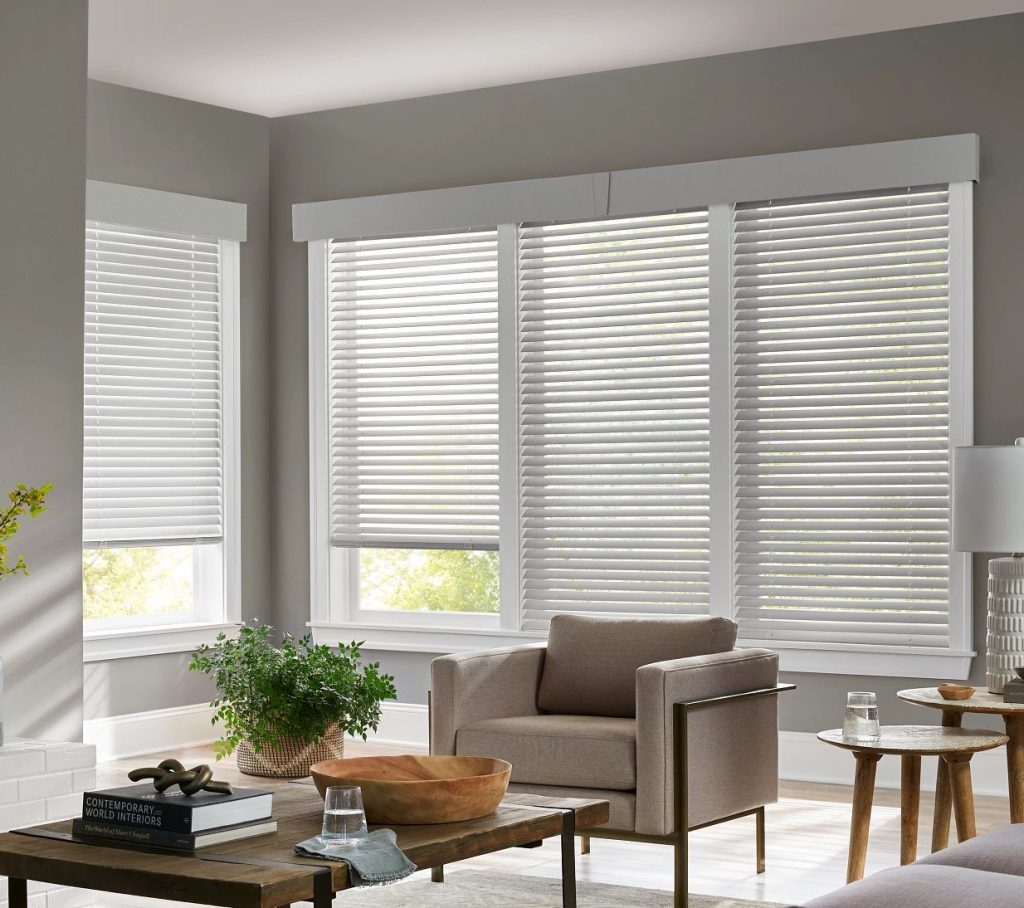
Modern homes require window treatments that align with open layouts, large windows, and minimal design. One of the biggest window blind trends is the move toward clean lines and simplified structures. Homeowners are choosing blinds that blend into the space rather than dominate it, creating a balanced and uncluttered look.
Another important trend is functionality. Blinds are now expected to offer more than basic light blocking. Features such as glare reduction, UV protection, and privacy control are becoming standard expectations. When comparing options through a blinds vs shades vs shutters comparison guide, many homeowners are selecting blinds that offer flexibility while still maintaining a modern appearance.
Top Window Blinds Trends in 2026
Here are the most popular trends shaping window blinds in 2026:
- Motorized blinds for convenience and smart home integration
- Cordless lift systems for safety and ease of use
- Neutral color palettes that match modern interiors
- Faux wood blinds for durability and moisture resistance
- Light filtering blinds for balanced daylight and privacy
Smart and Motorized Blinds
One of the fastest-growing window blinds trends is the adoption of motorized systems. Homeowners are integrating blinds with smart home technology to control light and privacy with minimal effort. This is especially useful for large windows and hard-to-reach areas.
Motorized blinds also support energy efficiency by allowing automated adjustments throughout the day. This helps maintain indoor comfort without manual operation. As more homeowners adopt smart living solutions, motorized blinds are becoming a practical and valuable addition.
Minimalist Design and Neutral Colors
Modern interiors are moving toward simplicity, and blinds are following the same direction. Neutral tones such as white, beige, and soft gray are dominating window blind trends because they blend easily with different design styles.
Minimalist designs focus on clean finishes and reduced visual clutter. This approach works well in open floor plans where consistency is important. Homeowners often explore modern window blinds trends to find styles that complement contemporary interiors without overwhelming the space. Check Window treatment color ideas.
Faux Wood Blinds for Durability
Durability is a major factor influencing window blinds trends in 2026. Faux wood blinds are gaining popularity because they offer the look of real wood while being more resistant to moisture and wear.
These blinds are especially useful in kitchens, bathrooms, and other high-humidity areas. Homeowners researching window treatments for large windows often prefer faux wood options because they maintain their structure over time and require less maintenance compared to traditional materials.
Energy Efficiency and Light Control
Energy efficiency continues to shape how homeowners choose window treatments. Blinds that help regulate indoor temperature are becoming a key part of modern homes. Light filtering options allow natural light to enter while reducing glare and heat.
Homeowners looking into the best window treatments for energy efficiency often choose blinds that provide insulation benefits. This helps reduce energy usage and improves indoor comfort throughout the year. UV protection is another important feature, as it helps preserve furniture and flooring. Check for the top window covering trends.
Custom Fit Blinds for Better Performance
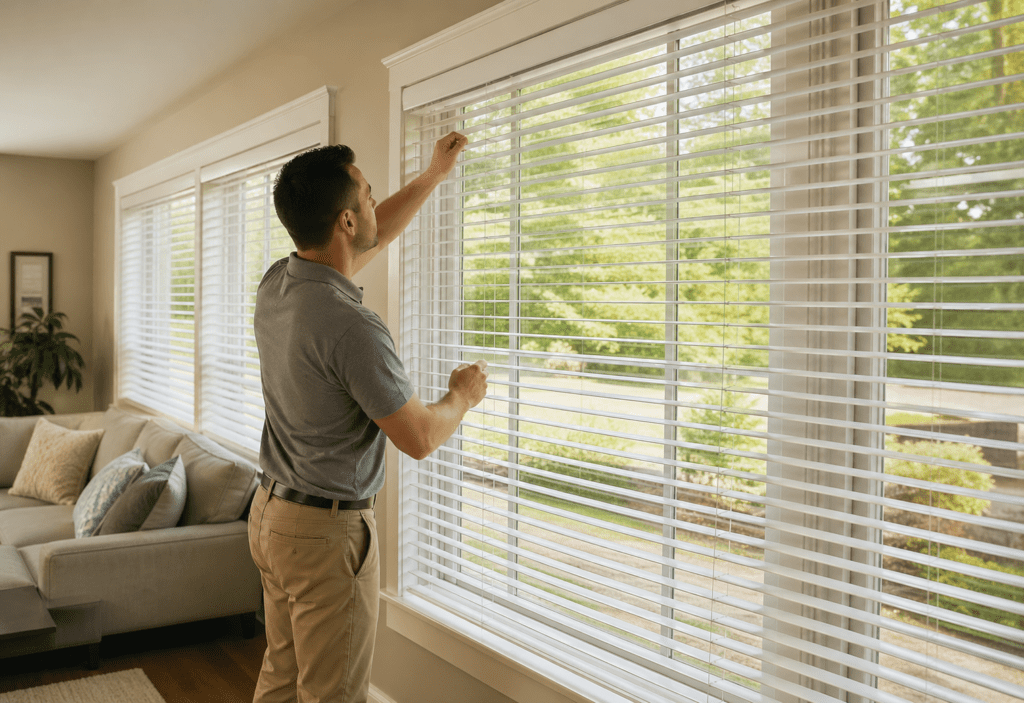
Custom-fit blinds are becoming a standard expectation rather than a luxury. They are designed to match the exact dimensions of your windows, ensuring better coverage and smoother operation.
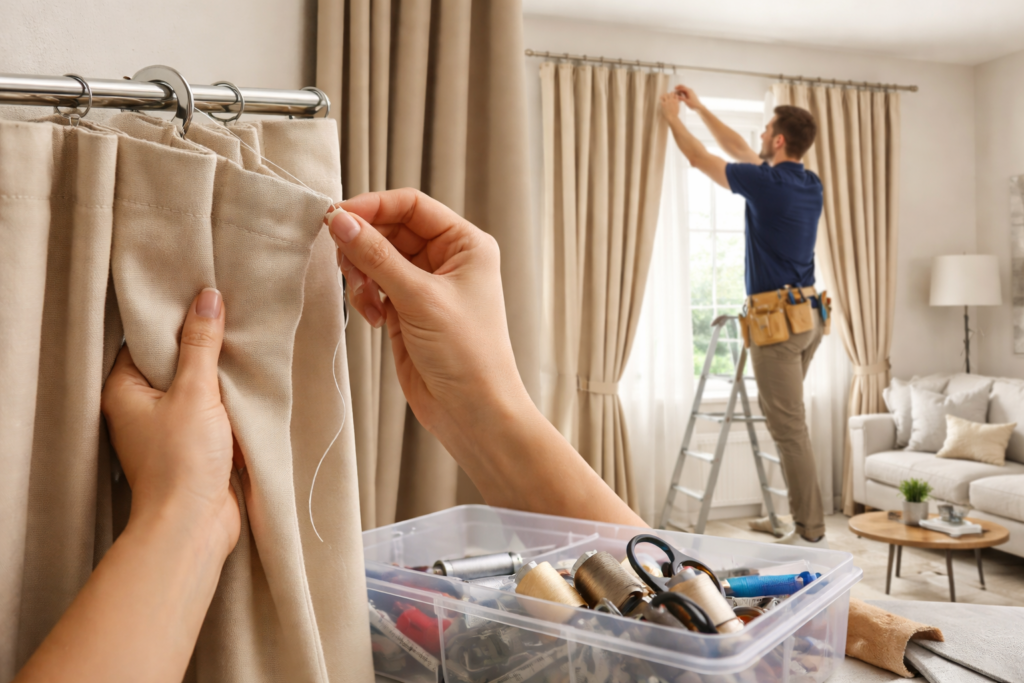
Unlike ready-made options, custom blinds eliminate gaps that can affect privacy and light control. Professional window treatment installation further enhances performance by ensuring proper alignment and functionality. This combination of precision and quality makes custom blinds a preferred choice in modern homes.
Maintenance and Longevity
Low maintenance is one of the reasons blinds remain a popular choice. Modern blinds are designed to be easy to clean and resistant to dust buildup. This makes them suitable for busy households where convenience is important.
Regular care helps maintain their appearance and functionality. For deeper cleaning, services like Window Treatment Cleaning can help extend the lifespan of your blinds. Choosing durable materials also reduces the need for frequent replacements, adding long-term value.
Why Window Blinds Trends Matter for Home Value
Following current window blinds trends is not just about design. It also impacts the overall value of your home. Well-chosen blinds improve both appearance and functionality, making your space more appealing to potential buyers.
Modern blinds that offer energy efficiency, smart features, and durability contribute to a better living experience. Homeowners often consider these factors when upgrading their interiors. Choosing the right blinds can enhance comfort while also increasing property value. Check our Hunter Douglas blinds in Winston-Salem.
Conclusion
Understanding window blind trends in 2026 helps homeowners make informed decisions that improve both style and functionality. From motorized systems to durable materials and energy-efficient designs, modern blinds offer more than just basic coverage.
By choosing the right blinds, you can create a space that feels comfortable, efficient, and visually balanced. If you are planning to upgrade your window treatments, exploring solutions from Carolina Shutter & Blinds can help you find the right fit for your home and lifestyle.
FAQ
What are the top window blinds trends in 2026?
Motorized blinds, cordless systems, neutral colors, and energy-efficient designs are leading window treatment trends.
Are motorized blinds worth it?
Yes, they offer convenience, improved safety, and better control over light and privacy.
Which blinds are best for modern homes?
Minimalist designs with neutral colors and clean lines work best for modern interiors.
Do window blinds improve energy efficiency?
Yes, certain blinds help regulate indoor temperature and reduce energy usage.
Are faux wood blinds better than real wood?
Faux wood blinds are more durable and resistant to moisture, making them suitable for more areas.
How long do window blinds last?
With proper maintenance, high-quality blinds can last for many years.
Are custom blinds better than ready-made options?
Custom blinds provide a better fit, improved functionality, and a more polished look.
How do I maintain my window blinds?
Regular dusting and occasional deep cleaning help keep blinds in good condition.