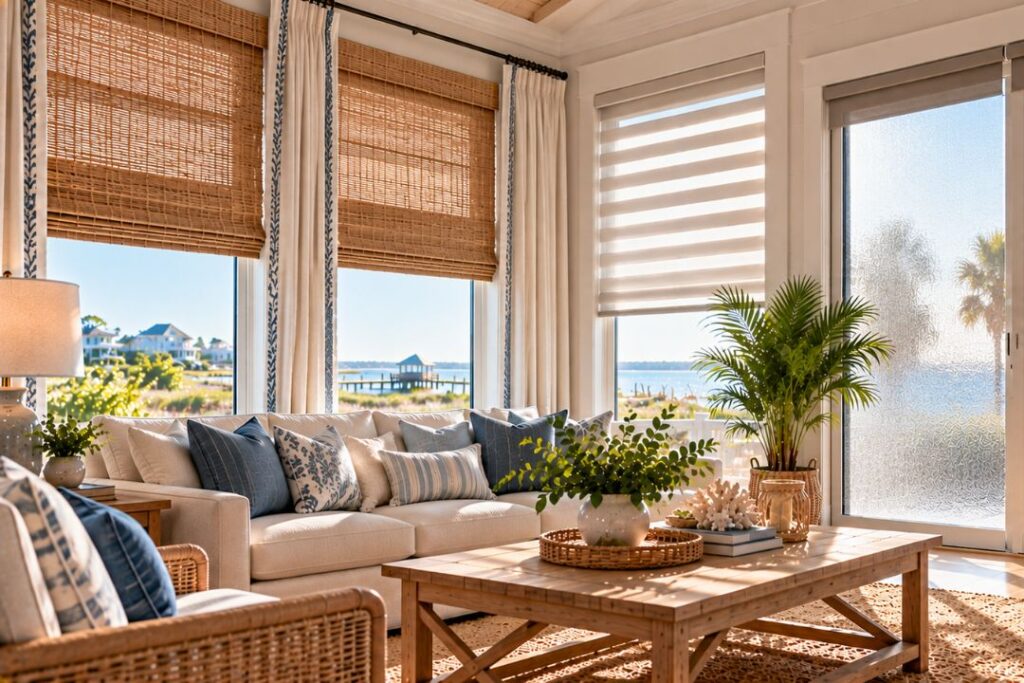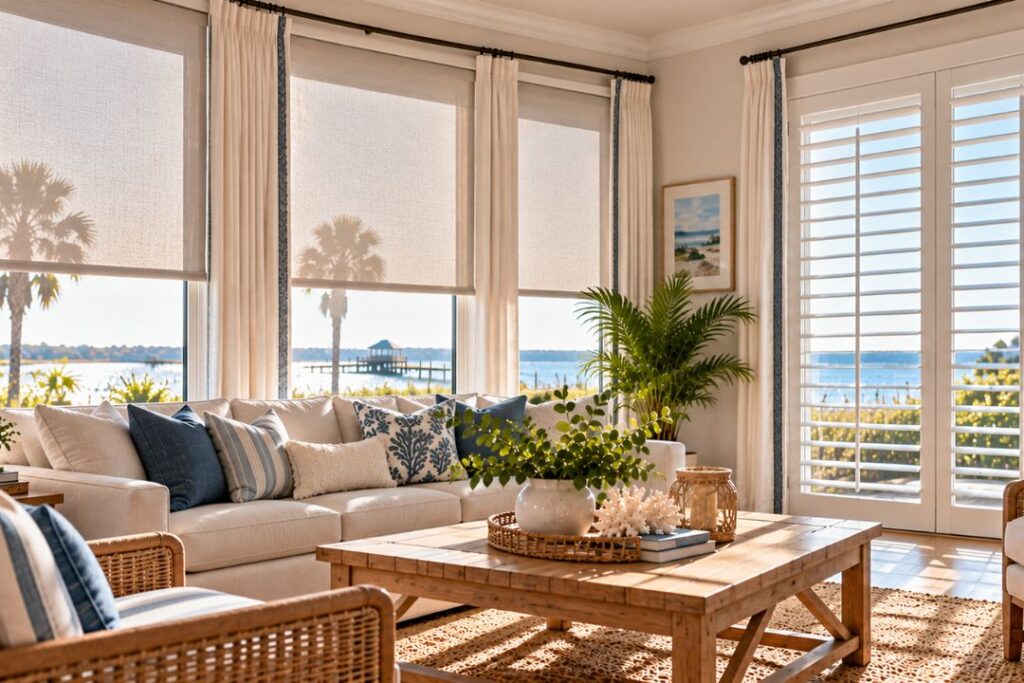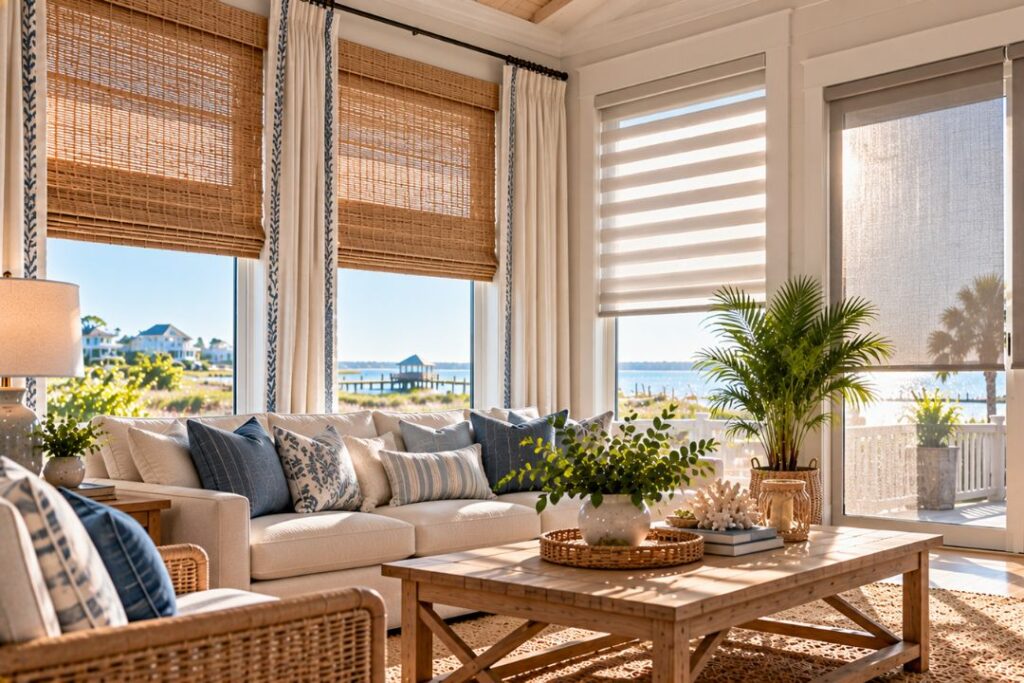
Your windows are quietly costing you money every single month, even if you never think about them past letting light in. Between hot Piedmont summers and cold winter nights, choosing the right energy-efficient window coverings can make a real, measurable difference on your utility bill. Winston-Salem’s mixed climate means your windows work against you twice a year, once in the heat and once in the cold, so the right coverings need to earn their keep in both seasons. Here is how to diagnose where you are actually losing energy, which products genuinely fix it, and what kind of payoff you can expect over time.
Step One: Diagnosing Where the Energy Loss Happens
Before spending a dollar, it helps to understand the problem you are solving. In summer, solar heat radiates straight through the glass and raises indoor temperatures, forcing your air conditioner to work harder than it should. In winter, that same glass allows warm indoor air to escape, letting cold air creep in around the frame and settle near the floor. Research from the U.S. Department of Energy has found that properly insulating window treatments can significantly reduce heat loss through windows, which is why the right coverings matter far more than most homeowners realize.
South- and west-facing windows tend to be the biggest offenders during Winston-Salem summers. At the same time, older, less insulated frames throughout the Piedmont Triad often show the most heat loss in winter. Walking your own home room by room and noting which windows feel warmest in the afternoon or draftiest at night is a simple, free first step that costs nothing but a few minutes of your time.

Step Two: Prescribing the Right Product for the Problem
Not every energy-efficient option performs the same way, so matching the product to the problem matters.
Cellular shades, sometimes called honeycomb shades, are widely considered the top performer in this category. Their pleated, honeycomb structure traps air in individual pockets, creating a genuine thermal barrier that slows heat transfer in both directions throughout the year. For rooms with the most extreme heat gain or heat loss, this is usually the strongest fix available, and double-cell versions offer even more insulation than a single-layer design.
Solar shades take a different approach, blocking UV radiation and heat before it ever becomes a problem in the room, all while preserving your outdoor view and protecting furniture from fading. They are an excellent choice for sun-drenched living rooms and home offices where you still want natural light without the accompanying heat.
Plantation shutters, whether real wood or composite, create a solid insulating layer directly in front of the glass. When the louvers are fully closed, they trap a pocket of air against the window, making them a genuinely versatile, dual-season performer throughout our variable NC climate, and they hold that performance for decades with very little upkeep.
Insulated draperies add another layer of protection, particularly effective in formal living rooms and bedrooms where a heavier fabric lining helps trap conditioned air near the window rather than letting it escape into the rest of the room.
Step Three: The Payoff Over Time
Energy-efficient window coverings rarely feel like a dramatic overnight change. The real payoff shows up gradually, as your HVAC system cycles less often and your monthly bills settle into a lower, steadier pattern throughout the year. Many Winston-Salem homeowners notice the difference most clearly during the first full summer and winter after installation, when the previous year’s bills offer a clear point of comparison and a genuine sense of how much has actually changed.
Motorized and smart shade options can accelerate that payoff even further. Scheduling shades to close automatically during peak afternoon sun, then reopen once the heat has passed, keeps your HVAC system from fighting the same battle it used to fight every single day.
Choosing the Right Combination for Your Home
Most Winston-Salem homes benefit from a mix rather than a single product throughout the entire house. Cellular shades in the rooms with the harshest sun exposure, plantation shutters in formal living spaces, and layered draperies in bedrooms often deliver better overall performance than committing to just one style everywhere, since every room in your home faces a slightly different set of conditions.
Frequently Asked Questions
Which window covering saves the most energy overall?
Cellular shades are generally the strongest performer thanks to their honeycomb structure, which traps air and slows heat transfer more effectively than flat fabric options.
Do energy-efficient window coverings work in both summer and winter?
Yes, most insulating options work in both directions, reducing heat gain during summer and slowing heat loss once winter arrives.
How long does it take to notice a difference in energy bills?
Many homeowners notice a measurable change within the first full season, though the clearest comparison usually comes after a full year of use.
Are motorized shades worth it for energy savings alone?
They can meaningfully help, since automated scheduling reduces solar heat gain during peak hours without requiring you to adjust shades manually every day.
Can I combine multiple window coverings for better performance?
Absolutely. Layering options like shutters with drapery, or cellular shades with solar shades, often improves insulation well beyond what either product delivers alone.
Start With Your Biggest Energy Loss Rooms
You do not need to overhaul every window in your home at once to start seeing real savings. Identify the rooms losing the most energy, prioritize those first, and build outward from there, room by room. Reach out to schedule a free in-home energy consultation, and let our Winston-Salem team help you choose coverings built to actually perform through every Piedmont season, summer and winter alike.