
How to Install Window Blinds is a common question homeowners ask when upgrading their interiors. It may seem like a simple task at first, but small mistakes in measuring or mounting can affect how blinds function and how long they last. Many people begin by researching styles or browsing a blinds vs shades vs shutters comparison guide, but installation is where performance truly comes into play.
The challenge is deciding whether to install blinds yourself or hire a professional. DIY installation can save money, but it requires accuracy and the right tools. Professional installation, on the other hand, ensures precision and long-term reliability. This guide breaks down both approaches so you can choose the right option based on your home, budget, and expectations.
Understanding How to Install Window Blinds Correctly
Before comparing DIY and professional options, it is important to understand what proper installation actually involves. Installing blinds is not just about attaching brackets to a wall. It requires accurate measurements, correct placement, and smooth alignment to ensure the blinds operate properly.
The process typically starts with measuring the window frame to determine whether an inside mount or outside mount is more suitable. Inside mounts require precise measurements to fit within the frame, while outside mounts provide more flexibility and better light coverage. Once measurements are confirmed, brackets are installed, followed by mounting the headrail and attaching the blind system.
Even small errors during this process can lead to uneven blinds, poor light control, or difficulty in operation. This is why many homeowners explore the latest window treatment trends for modern homes along with installation methods to ensure both style and functionality are aligned.
DIY Window Blind Installation: What to Expect
DIY installation is often appealing because it reduces upfront costs and gives homeowners control over the process. It is a practical option for standard window sizes and basic blind types.
However, DIY installation requires attention to detail. Measurements must be accurate, brackets must be level, and mounting must be secure. Without proper alignment, blinds may tilt unevenly or fail to operate smoothly.
DIY is most suitable for:
- Standard-sized windows
- Lightweight blinds such as vinyl or aluminum
- Homeowners with basic tools and experience
While DIY can be cost-effective, it may not be the best option for custom blinds or larger windows where precision is critical.
Professional Installation: Why It Makes a Difference
Professional installation focuses on accuracy, efficiency, and long-term performance. Experts handle every step, from measuring to final adjustments, ensuring the blinds function as intended.
Unlike DIY methods, professional installers consider factors such as wall material, window depth, and alignment. This reduces the risk of errors and ensures a clean finish that complements the overall interior.
Professional installation is especially beneficial for:
- Custom-fit blinds
- Large or uniquely shaped windows
- Motorized or advanced systems
Many homeowners reviewing a detailed cost breakdown of window blinds realize that professional installation adds value by preventing costly mistakes and improving durability.
Key Differences Between DIY and Professional Installation
Choosing between DIY and professional installation depends on several factors. Understanding these differences helps you make a more informed decision.
- DIY installation has lower upfront cost but higher risk of errors
- Professional installation ensures precise measurement and alignment
- DIY requires tools and time investment
- Professional service saves time and provides consistent results
- DIY works best for simple setups, while professionals handle complex installations
These points highlight why installation is not just about cost but also about long-term performance and convenience.
Common Mistakes During Blind Installation
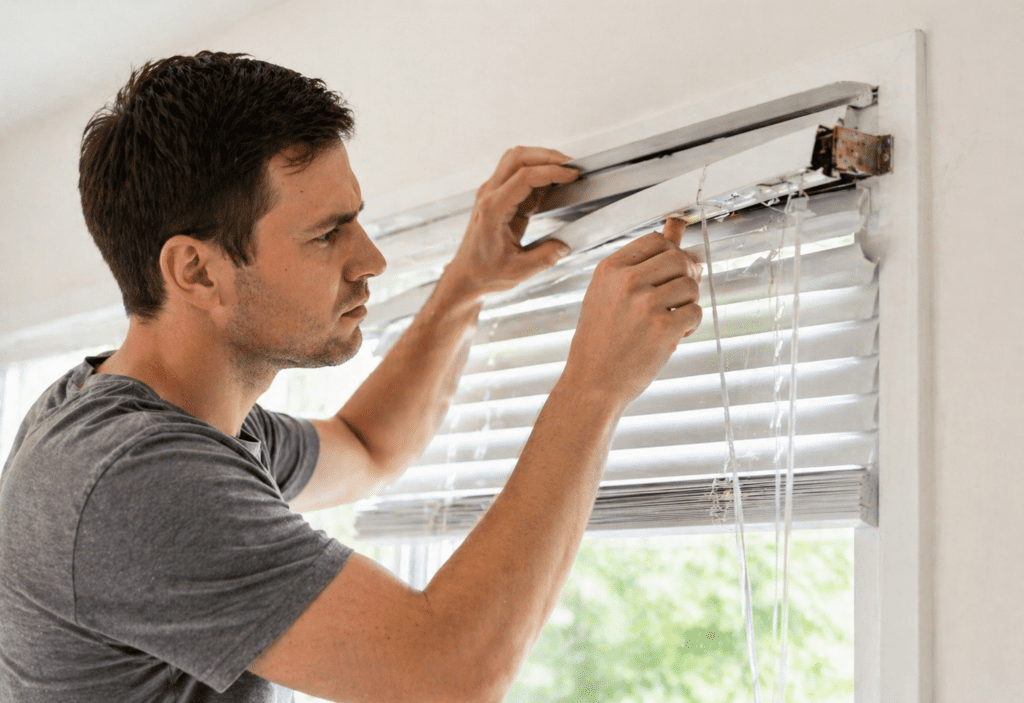
Many installation issues arise from simple mistakes that could have been avoided with proper planning. These mistakes often affect how blinds function and how they look over time.
One common issue is incorrect measurement. Even a small error can result in blinds that do not fit properly. Another mistake is improper bracket placement, which leads to uneven alignment and poor operation. Some homeowners also overlook the importance of choosing the right mount type, which affects both light control and appearance.
In addition, failing to secure brackets properly can cause blinds to loosen over time. This not only affects functionality but also reduces the lifespan of the product. Understanding these risks is essential when deciding between DIY and professional installation.
Cost Comparison: DIY vs Professional Installation
Cost plays a major role in the decision-making process. DIY installation typically costs little to nothing if you already have the necessary tools. However, any mistakes can lead to additional expenses for repairs or replacements.
Professional installation usually costs between $50 and $150 per window, depending on the complexity of the project. While this adds to the initial investment, it ensures accurate installation and reduces the likelihood of future issues.
For homeowners comparing options, exploring are plantation shutters worth the investment often reveals that proper installation significantly impacts long-term value.
How to Choose the Right Installation Option
Choosing the right installation method depends on your priorities, experience, and the type of blinds you are installing. If your goal is to save money and you are confident in your skills, DIY may be a suitable option for simple setups.
However, if you are installing custom blinds or want a polished finish, professional installation is the better choice. It ensures that blinds are aligned correctly, operate smoothly, and complement your interior design.
Many homeowners also refer to a complete guide to eco-friendly window coverings when selecting blinds, as proper installation plays a key role in achieving energy efficiency benefits.
Why Installation Quality Matters Long Term
Installation quality directly affects how your blinds perform over time. Poor installation can lead to issues such as uneven movement, reduced light control, and premature wear.
Well-installed blinds provide consistent performance, better durability, and improved energy efficiency. They also enhance the overall appearance of your space, making the investment more worthwhile.
Working with experienced professionals like Carolina Shutter & Blinds ensures that your blinds are installed with precision and care. This approach not only improves functionality but also adds value to your home.
Conclusion
How to Install Window Blinds is not just about attaching hardware. It is about ensuring accuracy, functionality, and long-term performance. While DIY installation may seem cost-effective, it comes with risks that can affect the final result.
Professional installation offers reliability, precision, and peace of mind. It ensures that your blinds fit perfectly, operate smoothly, and deliver consistent performance over time. By understanding the differences between DIY and professional options, you can make a decision that suits your needs and budget.
If you are planning to install new blinds, consider reaching out to experts for guidance and support. You can Contact Us to explore installation options that ensure your window treatments perform at their best.
FAQ
How to install window blinds correctly?
Start by measuring your window accurately, install brackets at the correct level, and securely mount the blinds to ensure smooth operation.
Is DIY blind installation difficult?
It depends on the type of blinds and your experience. Basic blinds are easier to install, while custom options require more precision.
How long does it take to install window blinds?
DIY installation may take one to two hours per window, while professionals can complete the process more efficiently.
Are professional blind installations worth it?
Yes. They ensure accurate measurements, proper alignment, and long-term performance.
What tools are needed for DIY blind installation?
Common tools include a drill, measuring tape, level, screwdriver, and mounting hardware.
Can I install blinds on any window type?
Most blinds can be installed on different window types, but custom solutions may be required for unique shapes.
What is the difference between inside mount and outside mount?
The inside mount fits within the window frame, while the outside mount covers the frame for better light control.
Do poorly installed blinds affect performance?
Yes. Improper installation can lead to uneven operation, reduced durability, and poor light control.