If you have spent any time searching for shutter options, you have probably run into the term polywood. It comes up constantly, yet most homeowners still are not sure what it actually means or whether it is worth the investment. We put together this guide to clear up the confusion around polywood shutters for NC homes and help you decide if they belong on your windows.
What Exactly Are Polywood Shutters
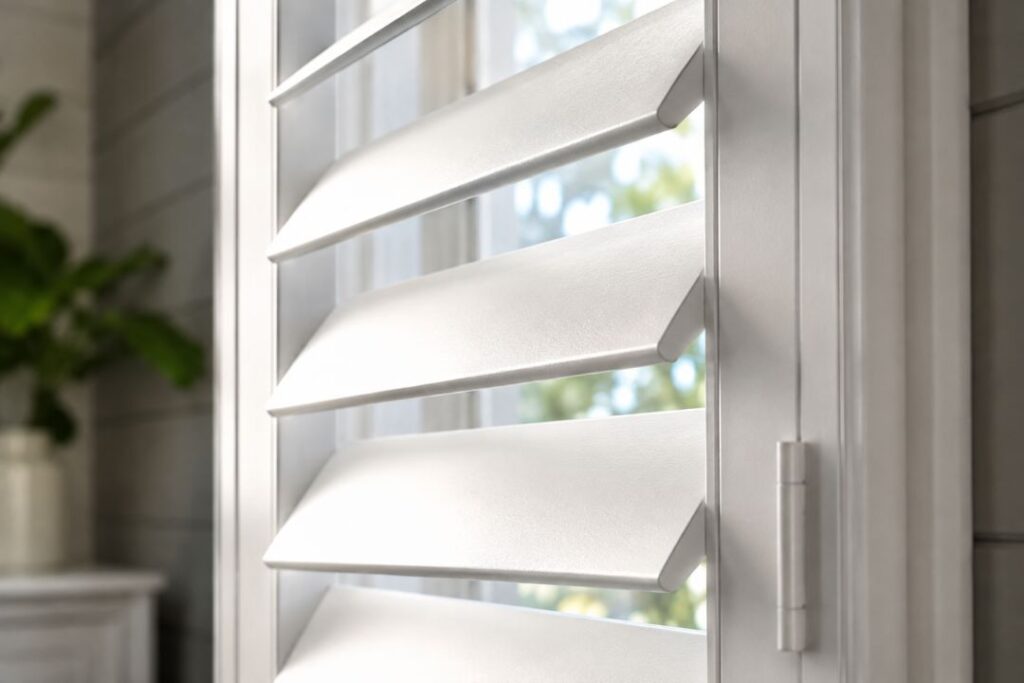
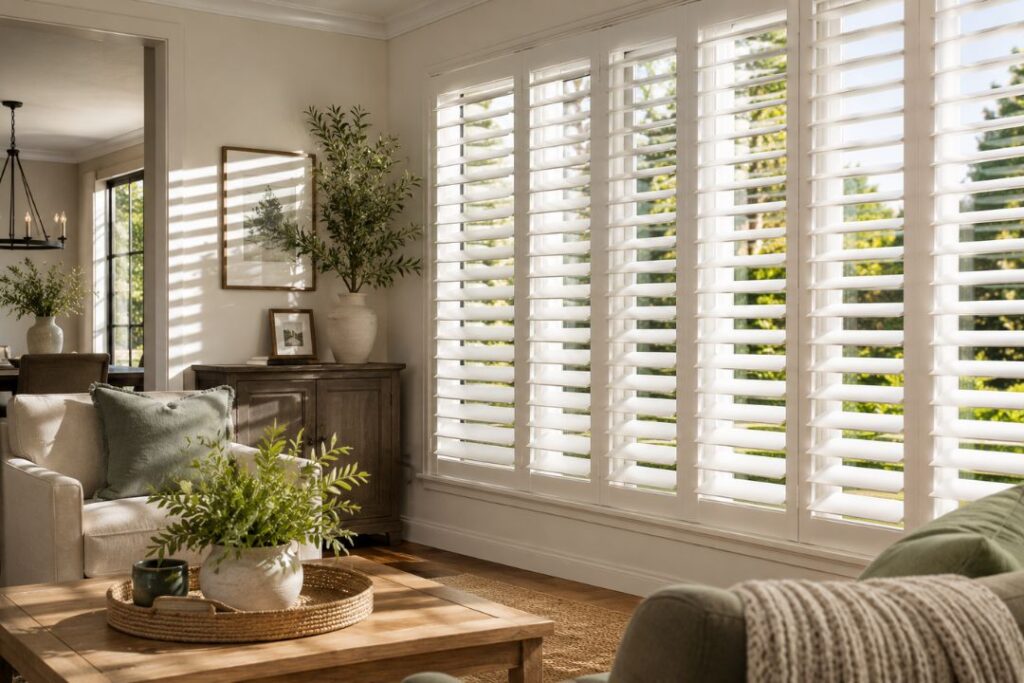
Polywood is the general name for engineered composite shutters, built from a dense synthetic material rather than solid hardwood. Think of it as the modern answer to a question homeowners have asked for decades. How do we get the classic plantation shutter look without worrying about humidity, warping, or constant upkeep?
At Carolina Shutter & Blinds, this style of shutter falls under our PVC shutters line. The material resists moisture, holds its shape in changing temperatures, and never needs repainting the way wood does. For homes across North Carolina, where summers run hot and humid, that resilience matters more than most people realize. It also gives homeowners a practical middle ground between budget vinyl blinds and premium hardwood, without asking them to compromise much on appearance.
Myth vs Reality: Sorting Fact from Fiction
Before you make a decision, it helps to separate what people assume about these shutters from what is actually true.
Myth: They Look Cheap Compared to Wood
Reality: Modern polywood shutters are painted and profiled to closely mirror real wood. Most visitors cannot tell the difference from across a room, and the crisp finish often looks sharper than aging wood over time.
Myth: They Only Work in Bathrooms
Reality: While moisture-resistant shutters are a natural fit for bathrooms and kitchens, they perform just as well in living rooms, bedrooms, and sunrooms. Many homeowners choose them for the entire house rather than a single room.
Myth: Installation Is the Same Everywhere
Reality: Fit depends heavily on your window shape, frame depth, and whether the shutters go on standard windows or door shutters like sliding glass doors. A proper in-home measurement matters more than the material itself.
The Real Benefits for North Carolina Homes
Once the myths are out of the way, the actual advantages become easier to see.
Built for humidity. Coastal and Piedmont regions alike deal with moisture swings throughout the year. Composite shutters will not swell, crack, or peel the way wood sometimes does under those conditions.
Low maintenance living. A damp cloth is usually all it takes to keep them looking new. There is no repainting, sealing, or refinishing on the calendar.
Consistent insulation. The dense panel structure helps block heat transfer, which can ease the load on your cooling system during our long summer stretch.
Family friendly durability. Homes with kids or pets benefit from a shutter that shrugs off bumps and scrapes far better than a softer wood surface.
Long-term value. Because they hold up so well, homeowners often keep polywood shutters for decades without needing replacement panels.
If you are comparing this option against traditional millwork, our wood shutters page walks through how the two materials stack up side by side.
What Should You Budget
Pricing for polywood shutters for NC homes typically falls into a mid range compared to basic vinyl blinds on one end and premium hardwood shutters on the other. Costs shift based on window count, panel size, frame style, and the complexity of the installation.
Rather than quoting a flat number, we always recommend an in-home measurement. Window shapes vary more than people expect, and a bay window or arched frame changes the material and labor needed to get a clean fit. Frame style, mount type, and the number of rooms involved all factor into the final total as well. We also offer financing options for homeowners who want to spread the investment over time rather than paying everything upfront, which makes a whole home project far more manageable.
Your Buying Checklist Before You Commit
A few questions worth asking before you sign off on any shutter project:
- Does the room deal with regular moisture or temperature swings?
- Do you want a uniform look across the whole home or just certain rooms?
- Are your windows standard sizes or unusual shapes that need custom panels?
- Would you prefer working with a custom shutters specialist who measures on site rather than ordering blind?
- Is a payment plan something that would make the project easier to schedule?
Walking through these before your consultation saves time and helps our team recommend the right configuration from the start.
Frequently Asked Questions
Are polywood shutters better than wood shutters?
It depends on your priorities. Polywood wins on moisture resistance and low upkeep, while wood offers a warmer, natural grain some homeowners prefer.
Do these shutters fade in direct sunlight?
Quality composite panels are built with UV resistant finishes, so fading is minimal even in rooms that get strong afternoon sun.
Can they be installed on sliding doors?
Yes, panel track and bypass configurations are available for sliding glass doors and larger openings throughout the home.
How long does installation take?
Most single family home projects are completed in a single day, though larger homes may need additional time.
Do I need professional measuring?
Absolutely. Accurate measurements prevent gaps and ensure the panels operate smoothly for years.
Bringing It Home
Polywood shutters offer a rare combination in the window treatment world. They give you the timeless look homeowners love without the maintenance headaches that come with natural materials. For North Carolina homes facing humidity, temperature swings, and busy family life, that balance is hard to beat.
If you are ready to see how polywood shutters for NC homes could transform your windows, reach out to our team for a free in-home consultation. We will walk your space, answer your questions, and help you choose panels built to last.