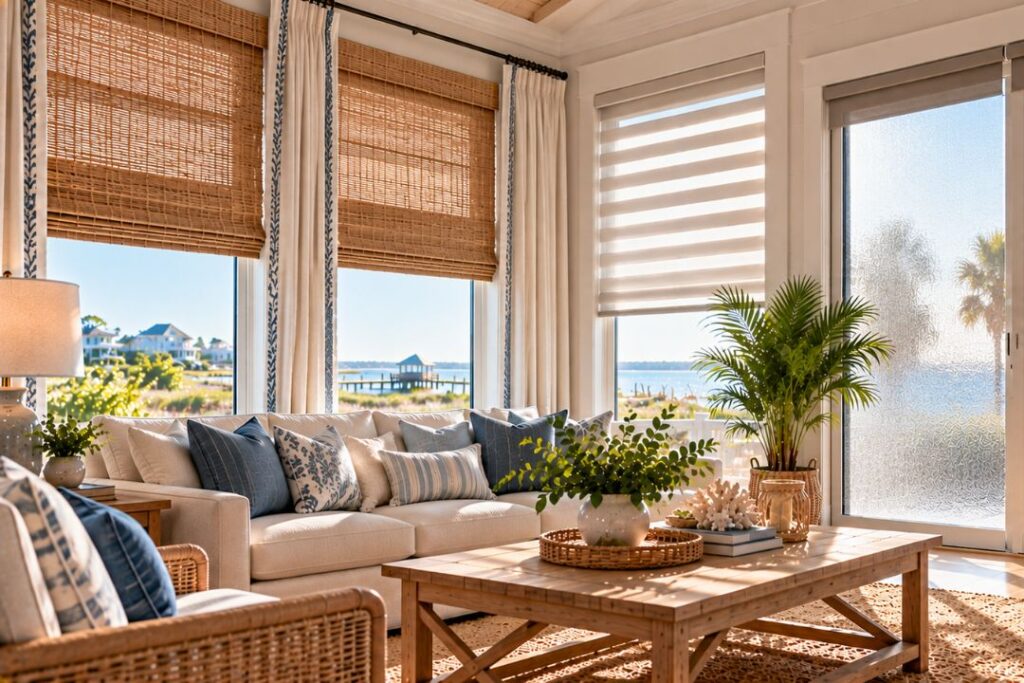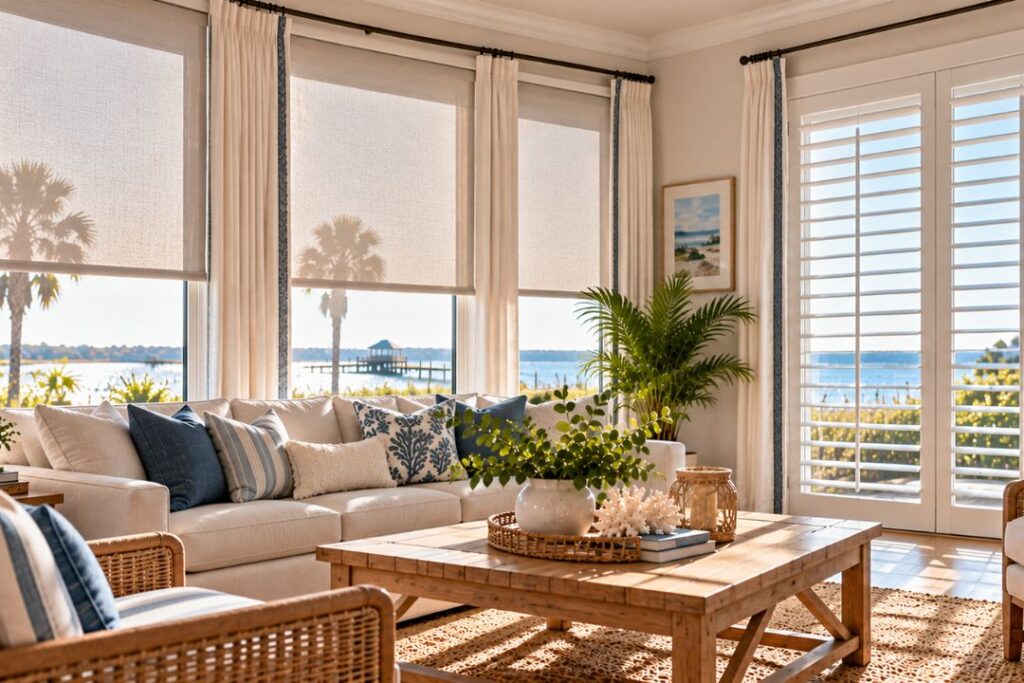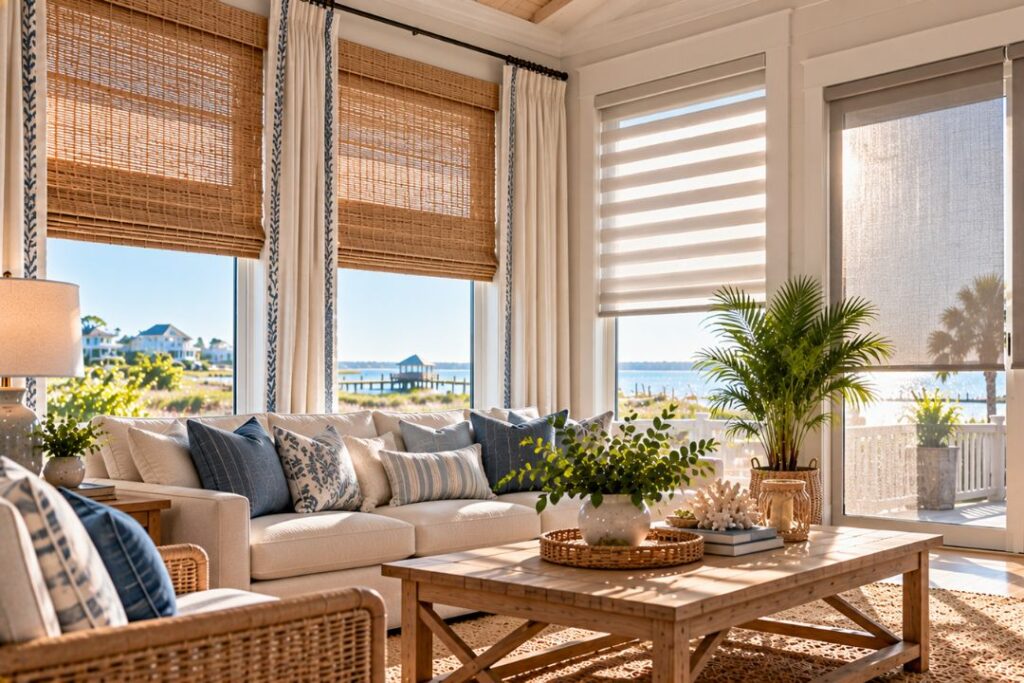
Stand in front of a solar shade display, and you’ll notice something odd. Every swatch has a percentage printed on the tag, and almost nobody explains what those numbers actually mean once the shade is hanging on your window.
Salespeople sometimes gloss over it, assuming the fine details won’t matter much to the average buyer. In reality, those two numbers determine almost everything about how the shade performs once it’s actually installed.
This guide translates those specs into plain language, then walks through what solar shades for windows actually cost and how to buy without overpaying for features you’ll never use.
The Numbers on the Tag, Decoded
Two figures matter most when comparing fabric options: the openness factor and the UV or heat-blocking percentage. Both sound technical, but they’re simpler than they look once you know what to watch for.
Openness Factor
This number indicates how much of the fabric is actual weave versus open gaps, usually shown as a percentage, such as 3%, 5%, or 10%. A lower number blocks more light and offers more privacy. A higher number preserves more of your outside view and lets in more natural light.
A 3% openness shade in a bedroom behaves very differently than a 10% openness shade in a home office, even if both are labeled solar shades on the same shelf. Reading the number matters more than trusting the general category name.
UV and Heat Blocking
This percentage indicates how much solar heat and UV radiation the fabric blocks before it enters the room. Higher numbers mean cooler rooms and less fading on furniture, flooring, and artwork sitting near the window.
Fabrics with high blocking percentages tend to run a bit thicker or denser overall, which is part of why pricing shifts noticeably as this number climbs.

What These Specs Actually Mean Day to Day
A lower openness factor with high UV blocking is the combination most homeowners want for west-facing rooms that take brutal afternoon sun. Glare drops noticeably, and furniture near the window stops fading as quickly. These are also effective ways to reduce glare from windows without completely sacrificing natural light.
A higher openness factor works better in rooms where keeping the view matters more than blocking every bit of light, such as a kitchen or dining area with a nice backyard view worth preserving throughout the day.
Solar shades for windows let you dial in exactly how much of each trade-off you want, rather than choosing between total darkness and total exposure, as heavier drapes often force you to. They can also work well as window coverings for strong sunlight, especially in rooms that receive direct afternoon sun.
Where Solar Shades Make the Biggest Difference in NC Homes
West- and south-facing rooms see the most dramatic improvement, since these exposures receive the longest, most direct sun throughout a North Carolina afternoon.
Home offices deserve particular attention here. Glare from an uncovered window on a monitor is a daily annoyance that a properly chosen solar shade solves almost completely, without darkening the room the way blackout fabric would.
Sunrooms and rooms with large picture windows also benefit heavily from window treatments for sunny sunrooms, since standard blinds or curtains often can’t cover that much glass without looking oversized or blocking too much natural light.
Kitchens with a west-facing window over the sink are another very common trouble spot, where afternoon glare can make it genuinely difficult to see the counters or stovetop during peak sun hours.
What Solar Shades for Windows Typically Cost
Pricing depends on fabric openness, blocking percentage, and lift mechanism, with most standard windows landing somewhere between roughly $80 and $300 installed. Motorized versions and larger openings push toward the higher end of that range.
Higher UV-blocking fabrics generally cost more per window than lighter, more open weaves, since the denser material and specialized coating both add to overall manufacturing cost.
The only way to get an exact number is with an in-home measurement, since window size and quantity affect the total more than any single spec of the fabric.
It’s worth treating any general price range as a starting reference point rather than a firm quote, since a whole-home project with a dozen windows often sees per-window costs shift once labor and material efficiencies are factored in.
A Quick Buying Checklist Before You Order
- Match openness factor to the room’s privacy needs, not just the view you want to keep
- Confirm UV blocking percentage against how much direct sun that specific window actually gets, especially when comparing window treatments for UV protection.
- Ask about cordless or motorized lift if the window is hard to reach
- Compare fabric warranty coverage, not just installation warranty.
Skipping the openness and blocking specs is the most common reason homeowners reorder a shade within the first year, usually because the room feels darker or brighter than expected once it’s installed.
Frequently Asked Questions
What openness factor is best for a bedroom?
A lower openness factor, often 1% to 3%, offers stronger privacy and light control suited to bedrooms and similar private rooms.
Do solar shades actually reduce heat in a room?
Yes, higher UV-blocking percentages meaningfully reduce solar heat gain, which noticeably lowers room temperature during peak sun hours.
Can I still see outside with solar shades closed?
Depending on the openness factor, many solar shades let you see out clearly while still reducing glare and blocking harmful UV rays.
Are solar shades worth it for home offices?
Often, yes. They cut screen glare significantly without darkening the room the way blackout shades or heavy drapes typically do.
How long do quality solar shades typically last?
With proper care, quality solar shade fabric typically performs well for 8 to 10 years before noticeable fading or wear occurs.
Choosing the Right Fit for Your Windows
Once you understand what those percentages on the fabric tag actually mean, choosing between solar shades for windows in different rooms becomes far less confusing than it looks in a showroom.
If you’re considering solar shades for windows, Carolina Shutter & Blinds can help you compare fabric openness, light-control options, and available lift styles for your space. Schedule a consultation to see samples and find the right fit for your windows.