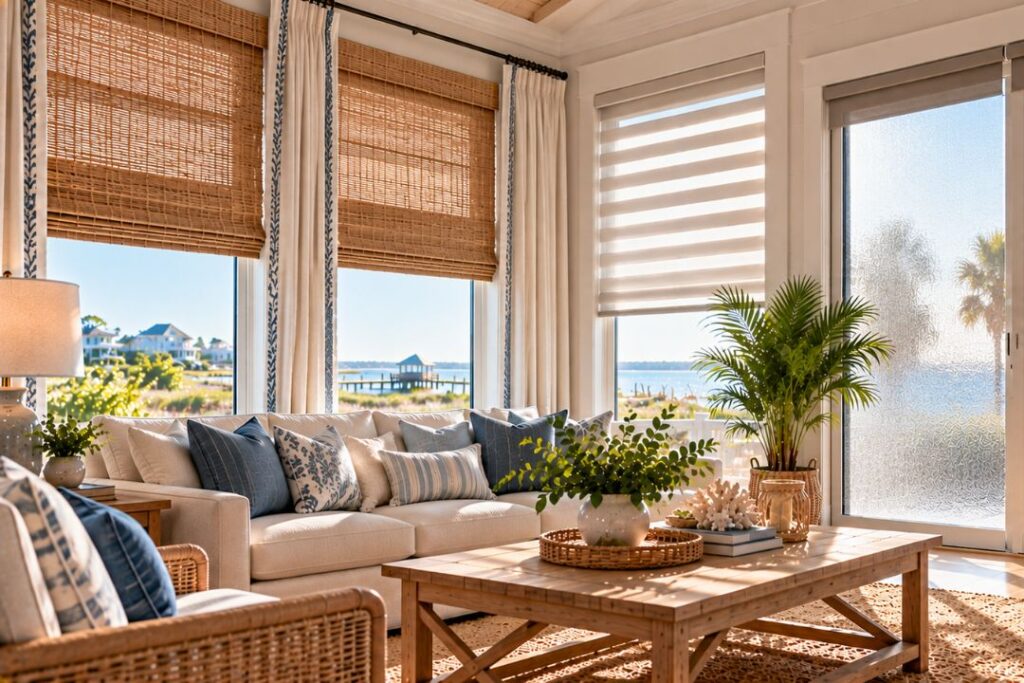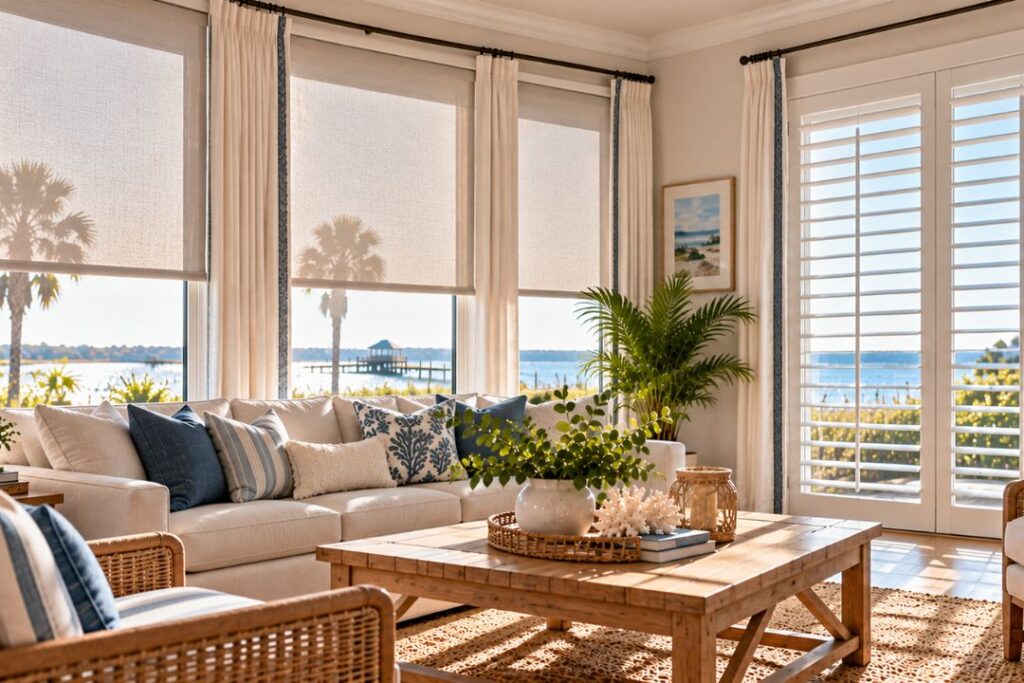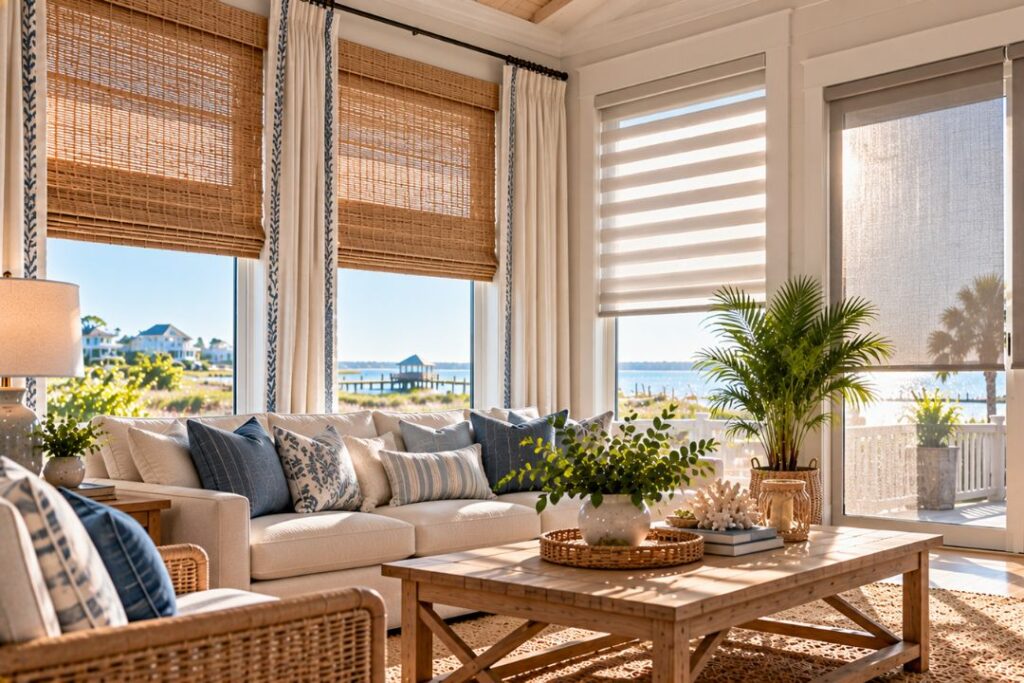
Window blinds cost is one of the most important factors homeowners consider when upgrading their interiors. Many people start with a rough budget but quickly realize that pricing varies depending on material, customization, and installation. Without a clear understanding, it becomes easy to either overspend or choose blinds that do not meet long-term needs.
The problem is not just about price. It is about knowing what you are paying for. From basic vinyl blinds to advanced motorized systems, the range is wide. This guide breaks down window blinds’ cost in 2026 in a practical way so you can make informed decisions that balance budget, durability, and performance.
Most Energy Efficient Window Treatments for Homes
When discussing window blinds cost, it is important to consider energy efficiency as part of the value. Some blinds may cost more upfront, but help reduce heating and cooling expenses over time. This is especially relevant for homes dealing with strong sunlight or seasonal temperature changes.
Energy-efficient blinds, such as cellular shades or solar blinds, are designed to reduce heat transfer. They act as insulation barriers that help maintain indoor temperature. While these options may fall in the mid to premium price range, they contribute to long-term savings by lowering energy consumption.
Window Blinds Cost Breakdown by Type
Understanding how pricing varies by type is essential for choosing the right blinds. Each material offers different benefits, and the cost reflects durability, design, and functionality.
Vinyl blinds remain the most affordable option in 2026. They typically cost between $20 and $80 per window and are widely used in kitchens and bathrooms due to their moisture resistance. However, they are not the best option for insulation or long-term durability.
Aluminum blinds fall into a slightly higher price range, usually between $50 and $150 per window. They offer better durability than vinyl and are easy to maintain. Faux wood blinds, which are one of the most popular choices today, range from $80 to $250 per window. They provide a balance between affordability and durability, especially in humid environments.
Real wood blinds are considered a premium option, costing between $150 and $400 per window. They offer a natural look and strong light control but require more maintenance. Cellular blinds, known for their energy efficiency, typically range from $120 to $350 per window. Motorized blinds are the most advanced option, starting around $300 and going beyond $800 depending on features and automation.
Installation Costs for Window Blinds
Installation plays a crucial role in the total window blinds cost, yet it is often overlooked during budgeting. Many homeowners assume installation is simple, but improper mounting can affect performance and lifespan.
DIY installation may seem cost-effective, usually ranging from no cost to around $50 for tools. However, it carries risks such as incorrect measurements and uneven alignment. If you are unsure about measurements or mounting techniques, it is helpful to first understand how to install window blinds properly before starting. Professional installation typically costs between $50 and $150 per window. This ensures accurate placement, smooth operation, and a clean finish that complements the interior.
Professional installation becomes even more important for custom blinds or large windows. It reduces the chances of errors and ensures that blinds function correctly from the start. In the long run, this can prevent additional expenses related to adjustments or replacements.
Factors That Influence Window Blinds Cost
Several factors impact the overall cost beyond just the type of blinds. Understanding these variables helps you plan your budget more accurately.
Window size is one of the biggest factors. Larger windows require more material and often involve additional installation complexity. Customization also plays a role. Made-to-measure blinds cost more than ready-made options but provide a better fit and performance.
Material choice significantly affects pricing. Premium materials such as real wood or insulated fabrics are more expensive than vinyl or aluminum. Operating systems also influence cost. Cordless and motorized options add convenience and safety but increase the overall price.
Another important factor is the number of windows. While installing blinds across multiple rooms increases the total investment, some providers offer better pricing for bulk installations, especially when sourcing commercial window blinds solutions for larger spaces or offices.
Energy Savings vs Upfront Cost
Many homeowners focus only on the initial price when evaluating window blinds cost. However, this approach often leads to higher expenses over time. Lower-cost blinds may need replacement sooner and may not provide insulation benefits.
Higher-quality blinds contribute to energy efficiency by reducing heat gain in summer and heat loss in winter. This leads to improved indoor comfort and lower utility bills. Over time, these savings can offset the initial investment.
Choosing blinds should be viewed as a long-term decision. Instead of focusing only on cost, it is important to consider durability, functionality, and energy performance.
How to Choose the Right Blinds for Your Budget

Selecting the right blinds involves balancing cost with performance and lifestyle needs. Different budgets require different approaches, and understanding these categories helps simplify the decision.
For budget-friendly solutions, vinyl or aluminum blinds are practical choices. They provide basic light control and are suitable for temporary or rental spaces. Mid-range options such as faux wood and cellular blinds offer better durability and energy efficiency, making them ideal for most homes.
Premium options include real wood and motorized blinds. These are best suited for homeowners looking for long-term value, convenience, and enhanced aesthetics. They work well in modern interiors and larger spaces where functionality and design both matter.
Key Cost Factors to Keep in Mind
To simplify your decision, here are the most important factors that directly impact window blinds cost:
- Material type affects durability and price
- Window size increases material and labor costs
- Customization improves fit but raises cost
- Installation method impacts long-term performance
- Operating system adds convenience but increases price
These factors should be considered together rather than individually. This ensures a more accurate estimate and better overall outcome.
Why Planning Your Budget Matters
Planning your budget properly helps avoid common mistakes such as underestimating installation costs or choosing the wrong type of blinds. A clear understanding of pricing allows you to allocate funds effectively across different rooms.
It also helps prioritize where to invest more. For example, spending more on living room or bedroom blinds can improve comfort and functionality, while simpler options may work for less-used spaces.
Taking a structured approach ensures that your investment delivers both immediate satisfaction and long-term value.
Conclusion
Window blinds cost in 2026 varies widely depending on type, material, customization, and installation. From affordable vinyl blinds to advanced motorized systems, there is an option for every budget and requirement.
The key is to look beyond upfront pricing and focus on overall value. Energy efficiency, durability, and proper installation all contribute to better performance and cost savings over time. By understanding these factors, you can make a confident decision that enhances both comfort and functionality in your home. Check our guide to compare shutters and blinds for more detailed knowledge.
FAQ
What will the average window blinds cost in 2026?
The average cost ranges from $50 to $300 per window, depending on material and customization.
Are cellular blinds worth the higher price?
Yes. They provide insulation and help reduce energy costs, making them a good long-term investment.
How much does professional installation cost?
Professional installation typically costs between $50 and $150 per window.
Which blinds are the most affordable?
Vinyl blinds are the most budget-friendly option available.
Do expensive blinds last longer?
Yes. Higher-quality materials, such as wood and cellular designs, offer better durability and lifespan.
Can window blinds improve energy efficiency?
Yes. Insulated blinds reduce heat transfer and help maintain indoor temperature.
Are motorized blinds worth the investment?
They offer convenience and smart control, especially for large or hard-to-reach windows.
Should I choose custom blinds or ready-made options?
Custom blinds provide a better fit and performance, while ready-made options are more cost-effective.